Propane Tank Certification: DOT Rules and Requalification
 By Steve Leary
4 min read

Ensuring your propane cylinders are properly certified and requalified is essential for compliance, safety, and maintaining your operation’s integrity. The U.S. Department of Transportation (DOT) regulates the certification and requalification of portable propane tanks — including those manufactured under specifications 4B, 4BA, 4BW, and 4E — with clear timelines and methods that all propane dealers, fuel distributors, and prospective requalifiers must follow.
What are DOT propane tank certification rules?
Every portable propane cylinder that might travel on public roads qualifies as a DOT cylinder. The Department of Transportation sets strict requalification schedules and requirements based on the method of requalification, not on the cylinder’s specific DOT specification type (such as 4B, 4BA, 4BW, or 4E). Understanding these requirements is critical to avoid legal and financial risks.
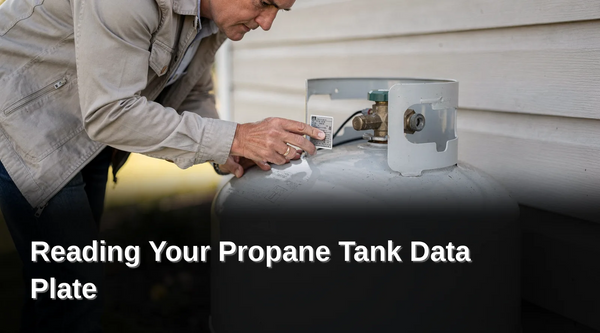
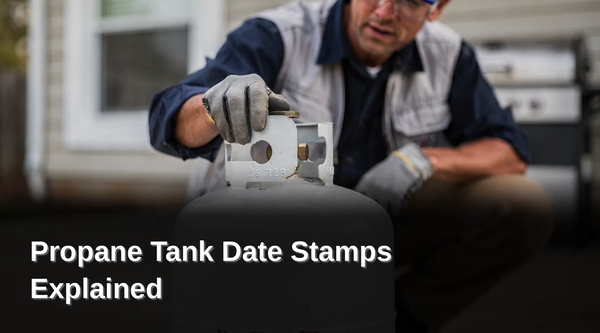
Each cylinder features identifying marks stamped on its neckring (collar) or shoulder. These marks include the DOT specification type, service pressure (psig), serial number, and manufacturer’s mark. Cylinders lacking legible stamps cannot be legally refilled and must be taken out of service.
How long does a propane tank certification last?
DOT regulations require cylinders to be requalified at intervals determined by the requalification method, specifically:
- First requalification: 12 years after manufacture date.
- Hydrostatic retest with water-jacket method: valid for 12 years from the test date.
- Proof-pressure test (marked with an “S”): valid for 7 years from the test date.
- External visual inspection only (marked with an “E”): valid for 5 years from the inspection date.
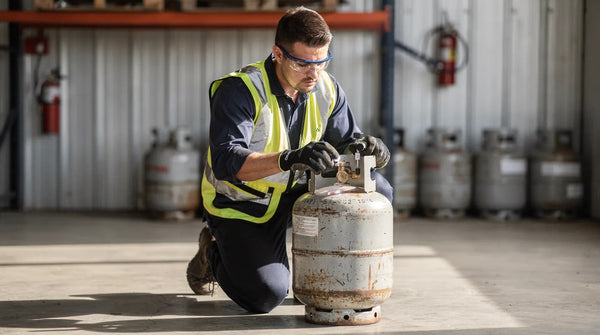
Cylinders must not be refilled after their requalification due date until successfully requalified by a certified requalifier.
When is requalification or condemnation required before these intervals?
If a cylinder shows dents, corrosion, fire damage, or damage to the collar or foot ring, it must be inspected immediately regardless of any date markings. Such damage may render the cylinder unsafe and subject to condemnation. Large stationary ASME tanks are governed by separate regulations and do not follow these DOT cylinder schedules.

Who can requalify propane cylinders?
Only DOT-registered cylinder requalifiers holding a current Requalifier Identification Number (RIN) issued by the Pipeline and Hazardous Materials Safety Administration (PHMSA) within the U.S. DOT may legally requalify cylinders. No other parties may perform official inspections, tests, or marking.
What qualifies a requalifier facility?
The equipment and procedures a requalifier must maintain depend on which requalification methods they are authorized to perform. For example, a facility approved only for visual inspection does not need hydrostatic test equipment. Visual inspections follow the Compressed Gas Association (CGA) standards and require trained inspectors capable of identifying defects accurately. Compliance audits and certification requirements vary accordingly.
What happens if an unqualified party fills or stamps a cylinder?
Filling an outdated cylinder or using a non-certified requalifier exposes your business to significant liability, insurance risks, and potential catastrophic failure of propane cylinders. Proper certification and requalification help ensure safety and protect your operation from costly incidents.
Why do proper labels matter for requalification?
Labels on propane cylinders indicate safety warnings, fuel type, handling instructions, and requalification details. These labels must endure temperature swings, moisture, and outdoor exposure without fading or peeling. American Business Forms & Envelopes prints propane recertification stickers built for outdoor use.
Recordkeeping requirements
Requalifiers must maintain detailed records for each cylinder they service, as required by 49 CFR 180.215. These records are essential to prove compliance and support operational audits.
- Cylinder serial number
- DOT specification type
- Requalification date
- Test or inspection method used (hydrostatic, proof-pressure, visual)
- Result of the test (pass or condemned)
- Requalifier’s RIN number
Compliance checklist for propane dealers
- Audit your cylinder fleet to verify manufacture and last requalification dates.
- Flag cylinders due for requalification within the next 6 months for timely service.
- Use only requalifiers holding a valid Requalifier Identification Number (RIN).
- Ensure all cylinder marks and IDs are legible and intact before refilling.
- Tag cylinders that fail inspection as "Out of Service" and remove them from your fleet.
- Maintain complete records of all cylinder requalification activities as required by DOT regulations.
How do you document recertification of propane tanks?
Documentation starts with the marking on the cylinder itself. Every cylinder passing requalification must carry a permanent stamp or mark indicating the month and year of requalification, the requalifier’s RIN, and the method used. This marking is the official legal record required by DOT.
Some requalifiers choose to apply a durable requalification label instead of stamping the cylinder metal directly. Check 49 CFR 180.213 for acceptable marking methods on your specific cylinder types.
Additionally, service and inspection tags are a practical tool for propane dealers to visibly mark cylinders that are out of date, out of service, or require attention, helping keep fleets organized and safe.
What information belongs on a requalification label or mark?
- Requalification date (month and year)
- Requalifier’s DOT-issued RIN
- Method of requalification (indicated by code or symbol)
These elements authenticate the cylinder’s status and safety for refilling and use.
Can custom labels support branding and compliance?
Yes. Propane distributors can incorporate logos, company contact info, and branding directly on durable requalification labels. This makes refill contact easy for customers and reinforces a professional operation. American Business Forms & Envelopes, a family-owned print shop in Baltimore, prints custom propane labels for dealers.
The bottom line
Staying compliant with DOT propane cylinder certification and requalification rules protects your business, customers, and liability exposure. Use this checklist to manage your fleet and work exclusively with registered requalifiers. Ensure all cylinders carry clear marks or labels, keep proper records, and remove unsafe cylinders promptly. For the full step-by-step, see our complete guide to propane tank recertification, and for reading the marks themselves, propane tank date stamps explained.
Keep your fleet labeled and compliant
Get a free Print Kit with samples of our propane recertification stickers and custom tank labels. Mailed to you, no obligation.


Free · Mailed to you
Get a free catalog & print samplesSee the paper, colors and print quality before you order. Tell us your industry and we'll mail them to you. Free, no obligation.